South Africa’s energy landscape is shifting fast. With Eskom tariffs rising year on year, ongoing grid pressure, and a growing pipeline of privately developed renewable energy projects, more commercial and industrial businesses are asking a simple but important question: how can I access clean, affordable electricity without installing my own solar panels?
The answer, for a rapidly growing number of energy users, is wheeled energy. In this guide, we explain exactly what wheeled energy is, how energy wheeling works in South Africa, what a wheeling agreement with Eskom involves, and why this model is gaining serious traction among forward-thinking businesses.
Whether you are a financial decision-maker exploring energy cost reduction, a sustainability officer working towards net zero targets, or an operations manager tasked with energy security — this guide is your starting point. For a deeper technical and commercial overview, visit the Energy Brokers Market Review.
What Is Wheeled Energy?
Wheeled energy is the process of transmitting electricity generated from a renewable energy source — such as solar PV or wind — through an existing electricity grid to an end-user at a separate location. The energy is not physically transported to the offtaker; rather, an equivalent volume of electricity is drawn from the grid at the offtaker’s site, with accounting handled through a metering and reconciliation system.
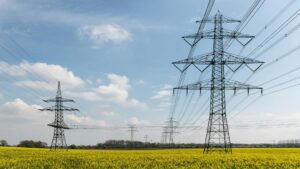
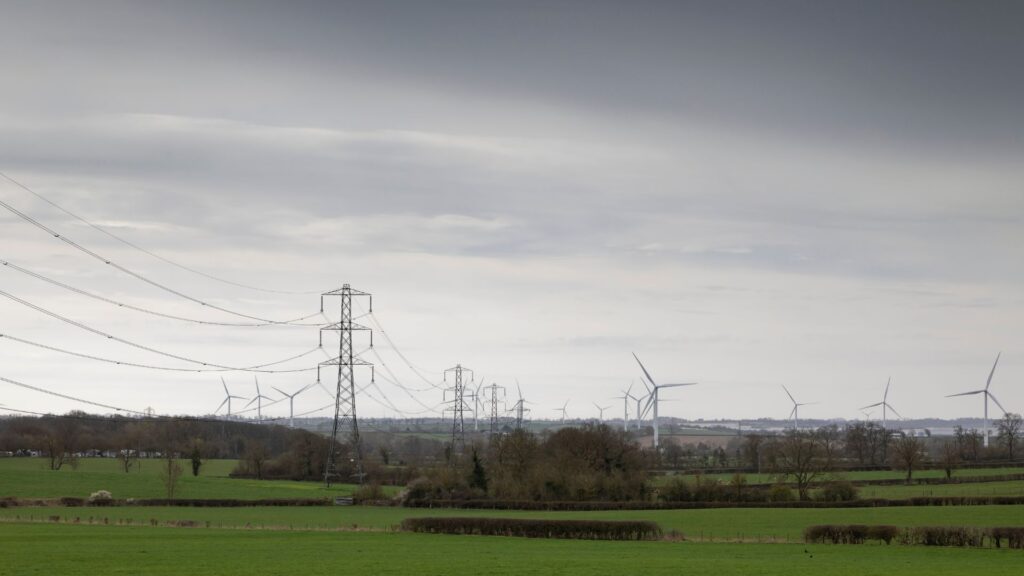
In practical terms, an Independent Power Producer (IPP) generates electricity at their facility and feeds it into the national grid. That energy is then ‘wheeled’ across the Eskom transmission network to a business — known as the offtaker — who purchases it under a commercial agreement. The offtaker receives the benefit of renewable electricity via their existing Eskom connection, without needing to own or operate any generation equipment.
Think of it like a toll road: the IPP uses Eskom’s transmission network as the highway to deliver power to your premises. Eskom charges a wheeling fee for this service, but the result is that businesses can access competitively priced, independently generated green energy — without capital investment in on-site infrastructure.
| Key Fact: What Makes Wheeled Energy DifferentUnlike rooftop solar or an embedded generator, wheeled energy requires no physical installation at your site. The generation happens remotely, and the electricity reaches you through the same Eskom connection you already use — making it one of the lowest-barrier paths to renewable energy procurement available to South African businesses today. |
How Does Energy Wheeling Work in South Africa?
Understanding how energy wheeling works requires a basic grasp of South Africa’s electricity grid. Here is a step-by-step breakdown of the process:
- An IPP generates electricity — from solar PV, wind, or battery energy storage (BESS) — at a registered generation facility.
- The IPP feeds this electricity into Eskom’s national transmission grid via a metered point of connection.
- The offtaker draws power from the grid as normal, but their monthly bill reflects what they would otherwise owe Eskom — offset by the wheeled energy they have purchased.
- Eskom performs this reconciliation on a monthly time-of-use (TOU) basis by comparing total energy consumption across peak, standard, and off-peak periods for the month against the generation TOU totals submitted by the IPP.
- A Power Purchase Agreement (PPA) governs the commercial terms between the IPP and the offtaker, covering tariff, contract duration, and energy volumes.
Eskom charges both the generator and the offtaker a use of system fee to cover the use of its transmission infrastructure. These fees are typically factored into the overall business case and reflected within the PPA pricing — meaning the net cost to the offtaker remains competitive relative to standard Eskom tariffs.
What Is a Wheeling Agreement with Eskom?
A wheeling agreement is the formal arrangement that enables an IPP to use Eskom’s grid to deliver electricity to an offtaker. It governs the technical and commercial conditions of that energy transfer, including:
- The volume of energy to be wheeled (in kWh or MWh per month)
- The applicable wheeling tariff and how network losses are accounted for
- Metering, reconciliation, and billing processes
- The duration and exit conditions of the arrangement
The wheeling agreement works alongside the PPA. While the PPA governs the commercial relationship between buyer and seller, the wheeling agreement governs the logistics of delivery through the grid. Both documents are essential in any wheeled energy transaction. For regulatory context, the National Energy Regulator of South Africa (NERSA) continues to evolve the framework for wheeling as private generation capacity expands across the country.
| Grid Pressure Is Building — Act NowSouth Africa’s national grid requires over R200 billion in investment to support 14,000 km of new transmission infrastructure. With Eskom’s upgrade funding only becoming substantial after 2030, grid capacity constraints and the cost implications that follow are expected to intensify from late 2025 onwards.Businesses that secure wheeled energy agreements now can lock in favourable, long-term tariffs before the window tightens. View live grid capacity data on the Market Review page. |
Why Are South African Businesses Choosing Wheeled Energy?
The case for wheeled energy has never been stronger. Several converging factors are driving adoption across the commercial and industrial sectors in South Africa.
1. Significant Cost Savings Against Eskom Tariffs
Eskom’s tariffs have increased substantially and consistently over the past decade. Wheeled renewable energy — particularly from solar and wind sources — can offer materially lower per-kWh costs over a contract term, providing businesses with a predictable, inflation-protected energy price that is not subject to annual Eskom increases.
2. No Capital Expenditure Required
Unlike installing an embedded solar system, wheeled energy requires zero upfront infrastructure investment from the offtaker. You enter a PPA and begin receiving the benefit of renewable generation through your existing Eskom connection. The IPP carries the project development cost.
3. ESG Credentials and Green Reporting
Wheeled energy PPAs include Renewable Energy Certificates (RECs) issued to the offtaker throughout the contract term. These allow your business to make verified, credible claims about renewable energy use in sustainability reports, ESG disclosures, and carbon accounting frameworks — directly supporting net zero goals and investor or supply chain requirements.
4. Scale Benefits Through an Energy Broker
Working with a specialist energy broker gives offtakers access to aggregated buying power across a portfolio of vetted IPP projects. This unlocks pricing and terms that a single business could not achieve negotiating directly. View our full brokerage services to understand how this model works in practice.
5. Complements Existing On-Site Solar
Even if your facility already has an embedded solar system sized to your load, wheeled energy can add further renewable penetration. Eskom’s WEPS reconciliation operates on a Monthly Time of Use basis, which means additional coverage is possible. Wheeled wind energy is especially valuable because it generates during periods when on-site solar is not producing — providing renewable coverage around the clock.
Frequently Asked Questions
What is wheeled energy in simple terms?
Wheeled energy is renewable electricity generated by an IPP at one location and delivered to your business at another location using Eskom’s existing grid. You purchase it under a Power Purchase Agreement and receive an offset on your Eskom bill — no on-site installation required.
Does wheeled energy help during load shedding?
Wheeled energy provides access to cost-effective renewable electricity and long-term tariff stability, but it does not provide an on-site backup power solution during load shedding. It is a procurement model, not an energy security mechanism. For load shedding resilience, battery energy storage or generator solutions would be required alongside it.
What does Eskom charge for wheeling?
Eskom recognises that a portion of the electricity you consume is generated by an IPP rather than its own generation fleet. However, because Eskom’s transmission and distribution networks are still used to deliver that energy to your site, network-related charges continue to apply. As a result, only the energy (generation) component of the tariff is credited or offset for wheeled energy, while charges associated with the use of the grid—including transmission, distribution, and losses—remain payable.
Can I use wheeled energy if I already have rooftop solar?
Yes. Even where on-site solar has been sized to your full load, wheeled energy can provide additional renewable penetration due to the Monthly Time of Use reconciliation. Wheeled wind energy is a particularly valuable complement, delivering generation during periods when your on-site solar is not producing.
How do I report on green benefits from wheeled energy for ESG purposes?
Power Purchase Agreements include RECs (Renewable Energy Certificates), which are issued to the offtaker throughout the contract term. These certificates allow your business to make reliable, verifiable claims about renewable energy use in ESG reports, sustainability disclosures, and against frameworks such as the GHG Protocol — directly supporting your net zero and green credentialing commitments.
Ready to Explore Wheeled Energy for Your Business?
Energy Brokers connects South African businesses with vetted, competitive renewable energy suppliers — at no additional cost to the offtaker. Our fees are agreed with IPPs in advance and are already factored into PPA pricing, meaning you receive best-market terms without paying extra for independent advice.
With access to over 1,500 MW of fully vetted wind, solar, and BESS projects, and a team that handles everything from feasibility analysis through to contract signature and operational support, Energy Brokers simplifies the complexity of commercial energy procurement. Get in touch today to discuss your energy requirements with our team.
→ Get in Touch: https://energy-brokers.co.za/contact/
→ Our Services: https://energy-brokers.co.za/services/
→ Market Review & Grid Capacity Map: https://energy-brokers.co.za/market-review/
Energy Brokers
| Head OfficeBlack River Park, Fir StObservatory, Cape Town, 7925📞 021 300 0485✉ info@energy-brokers.co.za | Online🌐 energy-brokers.co.zaPart of The SOLINK GroupFounded: 2018Serving: South Africa |