
What Is an Independent Power Producer (IPP) and How Do They Work?
27 August 2026 · Energy Brokers
Every Power Purchase Agreement and every wheeled energy deal in South Africa depends on one essential actor: the independent power producer South Africa energy buyers contract with to supply renewable electricity. Yet for many C&I businesses entering the energy market for the first time, the role of an IPP is not always well understood. This guide explains what an IPP is, how they generate and sell electricity, and why choosing to work with a vetted IPP is one of the most important decisions your business will make in its energy procurement journey.
What Is an Independent Power Producer?
An independent power producer is a private company that generates electricity from its own generation assets and sells that electricity to buyers other than the national utility. In South Africa, that means companies that build, own, and operate renewable energy facilities, typically utility-scale wind farms, solar PV plants, and increasingly battery energy storage systems, and sell the power they produce to commercial or industrial businesses, municipalities, or through government procurement programmes.
IPPs are distinct from Eskom in a fundamental way: they are privately funded, privately operated, and commercially driven. They do not supply electricity to the general public through a distribution network. Instead, they contract directly with off-takers, the businesses or entities that agree to purchase their power output over a fixed term through a Power Purchase Agreement (PPA).
South Africa has a well-established IPP sector that has grown significantly since the launch of the Renewable Energy Independent Power Producer Procurement Programme (REIPPPP) in 2011. That programme has awarded projects across multiple bid windows, bringing gigawatts of wind and solar capacity online. More recently, the private C&I market has expanded rapidly alongside the public procurement programme, creating a large pipeline of projects specifically structured for wheeled energy and corporate PPA off-take.
How Do IPPs Generate and Sell Electricity?
An IPP follows a defined lifecycle from project development through to commercial operation:
- Development and permitting: The IPP identifies a suitable site, conducts environmental impact assessments, secures grid connection approval from the National Transmission Company South Africa (NTCSA), and obtains the necessary licences from NERSA.
- Financing and construction: The project is financed, typically through a combination of debt and equity, and construction begins. Utility-scale projects can take between 18 months and three years to reach commercial operation.
- Commercial operation and off-take: Once operational, the IPP generates electricity and delivers it to the grid. Revenue comes from the PPA it has signed with one or more off-takers, who pay a pre-agreed tariff for the energy produced.
- WEPS settlement: For wheeled energy deals, Eskom applies the Wholesale Electricity Pricing System (WEPS) credit to the off-taker's account based on the volume of energy the IPP injects into the grid on that business's behalf.
The IPP does not physically connect its cables to your premises. The grid acts as the intermediary, and the financial settlement mechanism, the WEPS credit, is what makes wheeling commercially viable for the off-taker. You can read more about how this works in our overview of the wheeled energy market.
What Types of IPPs Are Active in South Africa?
South Africa's IPP market encompasses a range of technology types and project structures:
- Solar PV IPPs generate electricity from photovoltaic panels, typically at utility scale. They produce during daylight hours and align well with Standard and Peak time-of-use periods, delivering strong WEPS credits for off-takers with daytime consumption profiles.
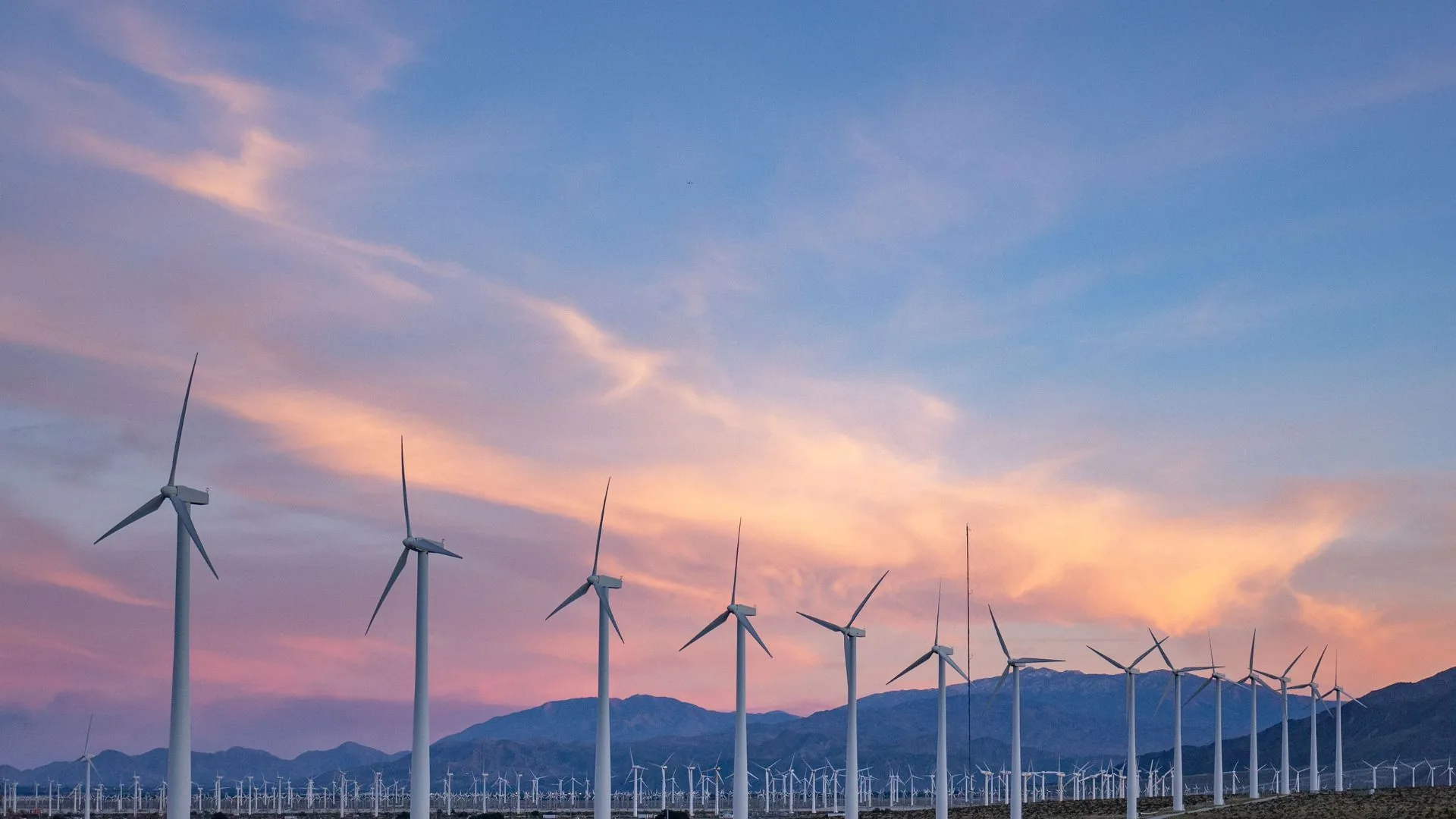
- Wind IPPs generate electricity from wind turbines, often in high-wind coastal and interior regions. Wind generation is less time-bound than solar, producing across a broader range of hours including evenings and overnight, making wind PPAs a valuable complement to on-site solar.
- Hybrid IPPs combine solar, wind, and battery energy storage at a single project. Hybrids offer more consistent generation profiles and are increasingly attractive to off-takers seeking higher renewable penetration across all hours.
South Africa's renewable energy pipeline is growing rapidly. Research from the UCT Power Futures Lab indicates that 2026 is on track to be a record year for financial closures of new renewable capacity, with over 5,200 MW of projects expected to reach financial close by year-end. The depth of this pipeline matters for C&I buyers: more available projects means more options and greater competition on PPA pricing.
Why the Quality of Your IPP Partner Matters
Not all IPPs are equal. A PPA is typically a 10 to 20 year commitment, and the financial and operational health of the IPP you contract with directly determines whether your wheeling deal delivers on its promise. Key risk factors include:
- Project delivery risk: Has the IPP successfully developed and commissioned projects before? A developer with a track record of reaching commercial operation on schedule is materially lower risk than an untested entrant.
- Financial standing: Is the IPP adequately capitalised to complete construction and service its debt? A project that stalls mid-construction leaves the off-taker without the energy supply they have contracted for.
- Grid connection status: Has the IPP secured a valid grid connection agreement from the NTCSA? Grid connection is a significant bottleneck in the current South African market, and projects without confirmed connection agreements carry meaningful timeline risk.
- Regulatory compliance: Is the project correctly licensed with NERSA and compliant with the relevant wheeling framework requirements? Non-compliant projects cannot legally deliver wheeled energy to off-takers.
Energy Brokers conducts a thorough due diligence process on every IPP project in our portfolio before recommending it to a client. Our services overview explains how we assess project quality and what that means for your business's risk exposure.
How Energy Brokers Connects You With the Right IPP
Finding the right independent power producer South Africa businesses can rely on is not straightforward. The market is large, the projects are technically complex, and the commercial terms of PPAs vary significantly. An energy broker with deep market access and a robust due diligence process removes that complexity.
Energy Brokers maintains relationships with a portfolio of vetted IPP projects across wind, solar, and hybrid technologies. We match your business's consumption profile, risk appetite, and commercial objectives to the projects best suited to your needs, and then manage the full procurement process from feasibility through to contract signature.
Frequently Asked Questions About IPPs in South Africa
What does IPP mean in South Africa?
IPP stands for independent power producer. In South Africa, an IPP is a private company that generates electricity, typically from renewable sources such as wind or solar, and sells it to businesses or government entities through a Power Purchase Agreement rather than through the national utility Eskom.
How does an independent power producer South Africa business contract with deliver energy?
The IPP injects electricity into the national grid on behalf of the off-taker. The energy is not physically routed to the off-taker's premises. Instead, an equivalent volume of electricity is credited to the off-taker's account through the WEPS mechanism, reducing the net cost of their electricity bill.
Is it safe to sign a long-term PPA with an IPP?
A long-term PPA with a thoroughly vetted IPP is a commercially sound arrangement for most C&I businesses. The key is due diligence: assessing the IPP's track record, financial health, grid connection status, and regulatory compliance before signing. Working with an independent energy broker ensures that assessment is done rigorously and objectively.
What is the REIPPPP and how does it relate to IPPs?
The Renewable Energy Independent Power Producer Procurement Programme is the South African government's formal programme for procuring renewable energy from private IPPs. It has been the foundation of South Africa's utility-scale renewable energy sector since 2011. C&I wheeling deals operate alongside the REIPPPP through private bilateral PPAs rather than through the formal procurement programme, though many of the same IPPs participate in both markets.
Talk to Energy Brokers About Accessing Vetted IPP Projects
Choosing the right independent power producer is one of the most consequential decisions in your energy procurement journey. Energy Brokers gives C&I businesses direct access to a portfolio of vetted, commercially viable IPP projects, and handles the entire procurement process on your behalf at no direct cost to your business.
Get in touch with the team today: Contact Us