
Why 2026 Is the Right Time to Wheel Energy in SA
27 August 2026 · Energy Brokers
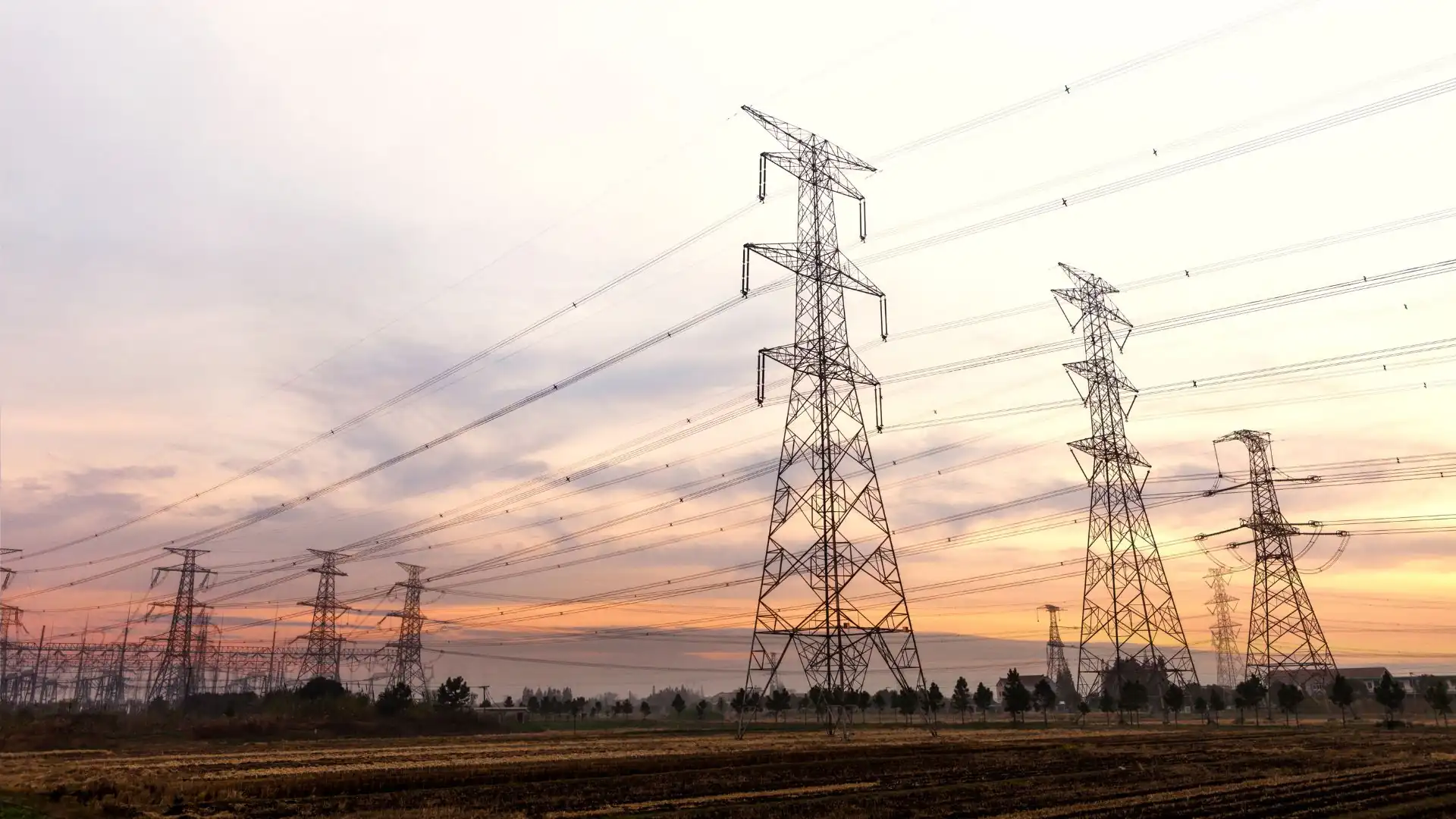
Wheeled energy South Africa 2026 is not just a trend. It is a market inflection point. Load-shedding has eased significantly since its peak in 2022 to 2024, and many C&I businesses have relaxed their energy procurement urgency as a result. That is understandable, but it may prove to be a costly mistake. Grid constraints are now South Africa's primary energy challenge, the IPP project pipeline is at record levels, and the window to secure favourable wheeling capacity before grid and connection bottlenecks tighten further is narrowing. This post sets out why the commercial case for acting now is stronger than it has ever been.
The Grid Constraint Is the New Energy Crisis
South Africa's energy challenge has shifted. Generation capacity is no longer the binding constraint. Private and public renewable energy projects have added significant supply to the grid, and load-shedding has been largely absent since March 2024. The binding constraint is now the transmission and distribution grid itself. As analysis published in mid-2026 makes clear, transmission lines are saturated or near saturated in key corridors, and the pace of new transmission infrastructure is falling short of what is needed to unlock the full pipeline of renewable projects.
The National Transmission Company South Africa (NTCSA) has published an ambitious Transmission Development Plan (TDP) committing to 14,450 km of new transmission lines and 210 new transformers to bring 56 GW of new generation online. The 2025 to 2026 target was 423 km of new lines. Actual progress as of late 2025 was just over 108 km. That gap between plan and delivery is the commercial risk every C&I business faces when it delays its wheeling procurement decision.
A Record IPP Pipeline Is Creating Opportunity and Competition
At the same time as grid constraints are tightening, South Africa's renewable energy project pipeline has reached unprecedented scale. Research from the UCT Power Futures Lab projects that 2026 could see over 5,200 MW of new renewable capacity reach financial close, the highest single-year volume in South Africa's history.
This creates a dual dynamic for C&I off-takers. On one hand, there is more project supply to choose from than at any point in the market's history, giving businesses more options and creating competitive pressure on PPA pricing. On the other hand, grid connection agreements, the critical approvals that allow an IPP to connect to and inject power into the transmission network, are becoming an increasingly scarce resource. Projects with confirmed grid connection are in a stronger commercial position, and off-takers who move early can access the best-positioned projects before grid-connected capacity is fully allocated.
Why Waiting Has a Real Commercial Cost
The case for acting now is not just about grid access. It is about locking in pricing at a favourable point in the market cycle. Several factors point to upward pressure on PPA tariffs and wheeling costs over the next two to three years:
- Eskom tariff escalation: Standard Eskom tariffs have increased significantly year-on-year. Every year a wheeling deal is delayed is a year of paying a higher baseline tariff while a fixed PPA escalation rate was available.
- Use-of-system charge evolution: NERSA's wheeling regulatory framework is still bedding in. Use-of-system (UoS) charges may be revised as the market matures, and there is no guarantee that future revisions will favour off-takers.
- Grid connection scarcity: As the pipeline of projects competing for grid connection grows, the best-positioned projects, those with confirmed connections in low-congestion corridors, will attract premium off-taker interest. Late movers will have access to a narrower set of viable projects.
- Congestion curtailment risk: As highlighted in the current market analysis, curtailment of renewable energy is emerging as a real risk in congested grid corridors. Off-takers whose IPPs face curtailment receive fewer WEPS credits, reducing the financial benefit of the deal. Locking in a project in an uncongested corridor now avoids this risk.
Our market review provides a current overview of grid conditions, available capacity, and the commercial factors shaping wheeling procurement in 2026.
What a Well-Timed Wheeling Deal Looks Like
For a C&I business with monthly electricity spend above a meaningful threshold, a well-structured wheeling deal in the current market can deliver:
- A long-term PPA tariff below the current Eskom rate, with a pre-agreed annual escalation rate that is typically lower than Eskom tariff increases.
- No capital expenditure, with savings beginning from the first billing cycle after the wheeling arrangement is operational.
- Verified Renewable Energy Certificates (RECs) issued throughout the contract term, supporting Scope 2 emissions reporting and ESG commitments.
- Access to a grid-connected, vetted IPP project with a confirmed generation profile and commercially sound PPA terms.
Energy Brokers prepares a free feasibility analysis for every prospective off-taker, covering current WEPS rates, applicable UoS charges, and a net savings projection against your existing tariff. View our wheeling services for detail on what the process involves.
Frequently Asked Questions
Is the grid constraint affecting wheeled energy South Africa 2026 deals?
Yes. Grid saturation in key transmission corridors is limiting the number of new wheeling projects that can be connected and commissioned. This makes access to grid-connected, vetted IPP projects increasingly competitive. Businesses that move early have more options and access to the best-positioned projects.
Has load-shedding really ended in South Africa?
Load-shedding has been suspended since March 2024 and has remained largely absent through 2025 and into 2026. However, South Africa's grid remains structurally constrained. The risk of load-shedding returning has not been eliminated. Structural grid investment is the key variable, and progress has been slower than planned.
What is the NTCSA Transmission Development Plan?
The Transmission Development Plan (TDP), published by the National Transmission Company South Africa in October 2024, commits to 14,450 km of new transmission lines and 210 new transformers to bring 56 GW of new generation capacity online. It is the foundational infrastructure plan for South Africa's energy transition. Progress against the plan is being closely monitored by the energy sector.
How do I know if a wheeling deal is viable for my business right now?
The starting point is a feasibility analysis that models your current electricity tariff against the all-in cost of a wheeling deal, including the PPA rate, WEPS credit, and applicable UoS charges. Energy Brokers prepares this analysis at no cost for prospective off-takers.
Secure Your Wheeling Capacity Before the Window Closes
The combination of a record IPP pipeline, tightening grid access, and ongoing Eskom tariff escalation means the commercial case for wheeled energy is as strong as it has ever been. But the best projects will not stay available indefinitely. Energy Brokers helps C&I businesses move quickly and confidently, with a vetted project portfolio and a streamlined procurement process.
Contact the team today to start your feasibility review.