
Does Wheeled Energy Help During Load-Shedding?
11 August 2026 · Energy Brokers
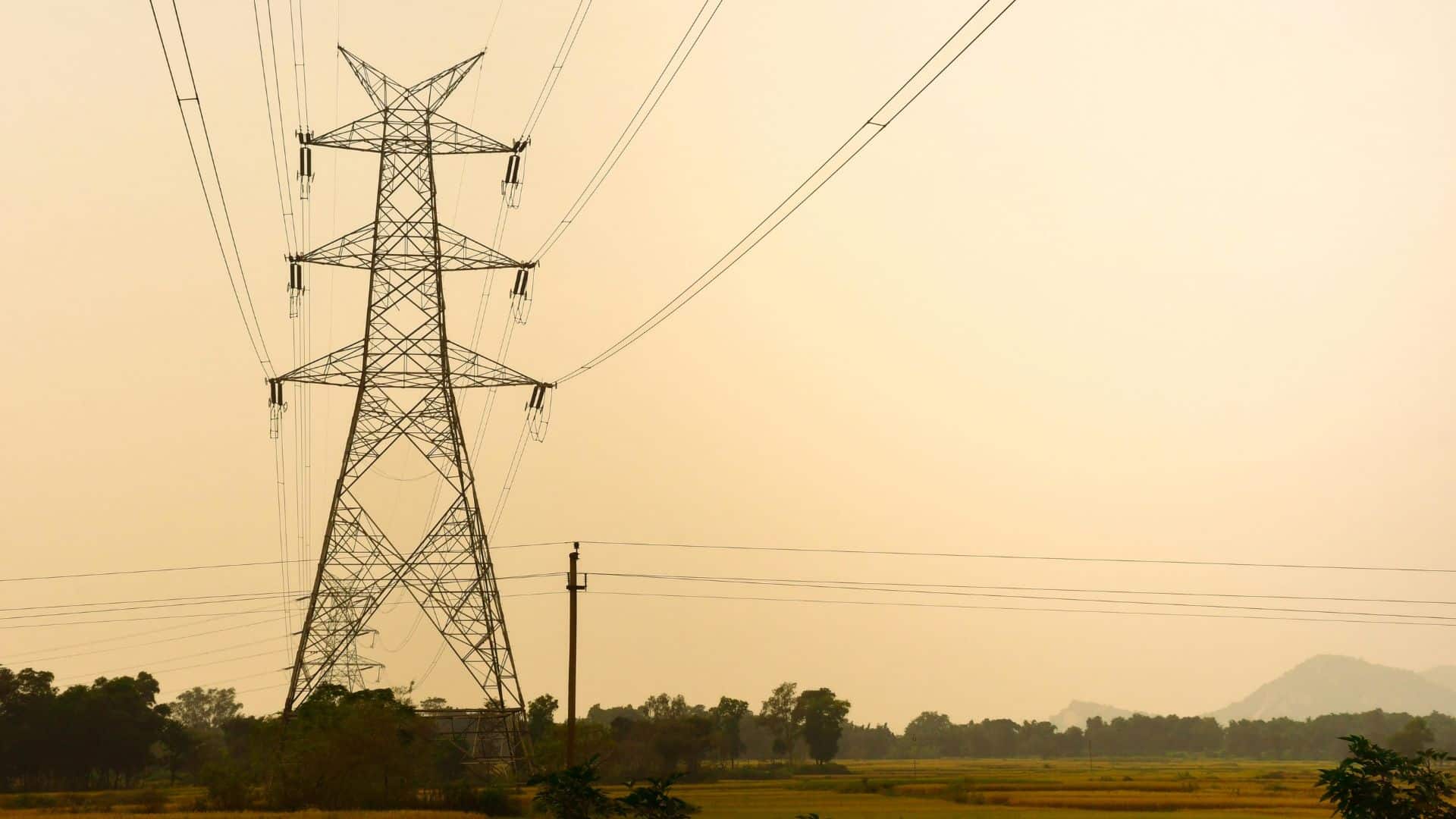
The short answer is no. Wheeled energy is not an energy security solution, and any broker who tells you otherwise is selling you something.
That answer surprises people, so it is worth explaining properly — and it is worth explaining now, because the question itself has quietly changed. For most South African businesses, load-shedding is no longer the problem it was when they first started asking about renewable energy procurement. The risk has moved. Understanding where it moved to is what should actually drive your energy strategy.
Why Wheeling Does Not Protect You From Load-Shedding
Wheeled energy works by having an Independent Power Producer generate electricity at one location and deliver it to your facility through Eskom's transmission network. Your business keeps its existing grid connection. The energy arrives over that connection like any other supply.
That is the whole reason it is cost-effective — you are not funding infrastructure. It is also precisely why it offers no protection during an outage. If the grid is down, nothing reaches you, regardless of who generated the electrons or what your Power Purchase Agreement says. There is no separate wire and no bypass.
If energy security is your priority, you need generation and storage physically on your site: solar PV with battery storage, or backup generation. Those are embedded generation solutions, and they solve a different problem. We say this to prospective clients before any commercial discussion, because a business that signs a wheeling agreement expecting the lights to stay on has bought the wrong product.
Load-Shedding Is No Longer the Live Risk
Here is the context that changes the question. South Africa has not experienced a stage of load-shedding since 16 May 2025. As of early August 2026 that is well over 400 consecutive days.
This is not a lucky streak. Eskom's Energy Availability Factor has improved from roughly 55% in the 2023 financial year to around 65% in 2026, and in late July 2026 the utility recorded its strongest single-day generation availability since 2017. Unplanned outages over that period fell to their lowest level in more than seven years. Eskom's 2026 Winter Outlook projected no load-shedding across the April-to-August peak demand period, and the system delivered on it.
For a business evaluating renewable energy procurement in 2026, this matters. If your business case for wheeled energy rested on load-shedding, that business case has weakened considerably. But if you conclude from this that you no longer need an energy strategy, you are reading the situation incorrectly.
Where the Risk Actually Sits Now
Three things should concern a CFO or procurement lead looking at a five-to-twenty year horizon.
Price, not availability. Electricity has become reliably available and steadily more expensive. Tariff escalation is now the dominant commercial exposure for large energy users, and unlike load-shedding it does not resolve itself with better plant maintenance. A wheeled energy PPA fixes or indexes your price per kWh across the contract term, which is a hedge against exactly this. That, not energy security, has always been the real commercial case.
A 2029–2030 adequacy gap. Eskom has been explicit that the current stability is not guaranteed to hold. The utility has flagged a potential supply crunch between 2029 and 2030 if new generation capacity is not built quickly enough, pointing to a requirement of roughly 10.3GW of solar, 7.4GW of wind, 3.7GW of storage and 6GW of gas online by 2030. That is a large amount of capacity to deliver in a short window.
Grid access closing ahead of you. This is the one most businesses miss. Transmission capacity is finite and allocated on a first-come basis. Every project that secures a grid connection reduces what remains for the next one. Waiting for perfect clarity means competing for a smaller pool of capacity at worse terms. Our market review sets out where capacity currently sits.
The Delivery Risk Nobody Advertises
There is a further point that bears directly on how you should choose a project, and it comes from Eskom's own analysis: since 2019, only around half of awarded renewable energy projects — projects that already held grid allocation and a power offtake agreement — have actually been built.
Read that again. Half of the projects that cleared every formal hurdle never delivered energy.
This is why we use the word "vetted" deliberately rather than as marketing language. A signed PPA with a project that does not reach commercial operation costs you the procurement cycle, the internal approvals, and the years you spent waiting. Energy Brokers maintains access to over 1,500 MW of vetted wind, solar and battery storage projects across South Africa, and the vetting is specifically about separating projects that will be built from projects that merely exist on paper.
So Should You Still Wheel?
Probably yes — but for the right reasons.
Wheel because you want a competitive, predictable electricity price over a long horizon. Wheel because you have Scope 2 emissions targets and need certified Renewable Energy Certificates to substantiate them. Wheel because grid capacity is being allocated now and will be harder to secure later.
Do not wheel because you are worried about the lights going out. Buy a battery for that.
If you want both — a hedged energy price and genuine site resilience — the answer is usually a combination: wheeled energy for the bulk of your consumption, embedded generation and storage for critical load. That combination is entirely workable, and we cover how the two interact in our FAQ.
Get an Honest Assessment
Energy Brokers is not tied to any IPP. We are paid by the producer, not by you, which means we have no incentive to recommend a wheeling deal that does not suit your load profile. If wheeling is not right for your business, we will say so.
Speak to our analysts about what your energy profile actually needs — or read more about our wheeled energy procurement services.